November 2, 2026
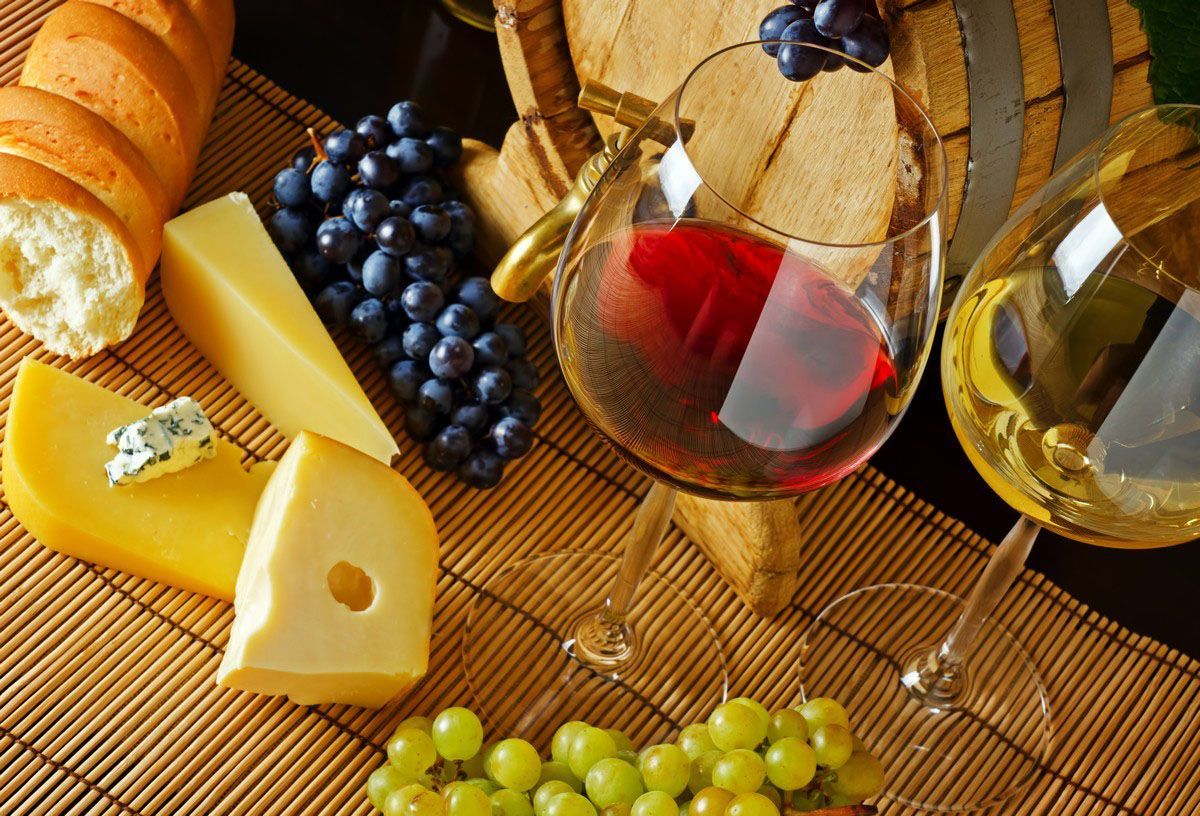
Dining out with a group of friends offers a wonderful way to connect over shared meals and exciting culinary experiences. When a table orders several different small plates to share, matching beverages with each unique dish can seem a bit intimidating at first. However, exploring how different flavors interact on your palate turns a standard meal into an engaging journey of taste and discovery. Choosing the right vintage enhances every single bite, bringing out hidden nuances in both the food and the drink that might otherwise go completely unnoticed. Whether you are gathering for a casual evening catching up or celebrating a major milestone, a thoughtfully selected bottle sets the perfect backdrop for conversation. Understanding a few basic pairing principles makes navigating any drink menu approachable, enjoyable, and completely stress-free for everyone sitting around the table.
Understanding the Basics of Flavor Dynamics
Matching beverages with food relies heavily on balancing five core taste profiles: sweet, sour, salty, bitter, and umami. When visiting a local restaurant, considering how these distinct flavors interact with one another helps guide your choices and elevates the entire meal. Acids cut through rich fats, sweet notes soften spicy heat, and tannins balance savory meats effortlessly. Rather than aiming for flawless perfection with every single item, focus on finding a harmonious middle ground that flatters the overall variety of dishes on your table. Learning how these elements complement one another allows you to make confident choices every time you dine out.
Navigating Shared Plates and Diverse Menus
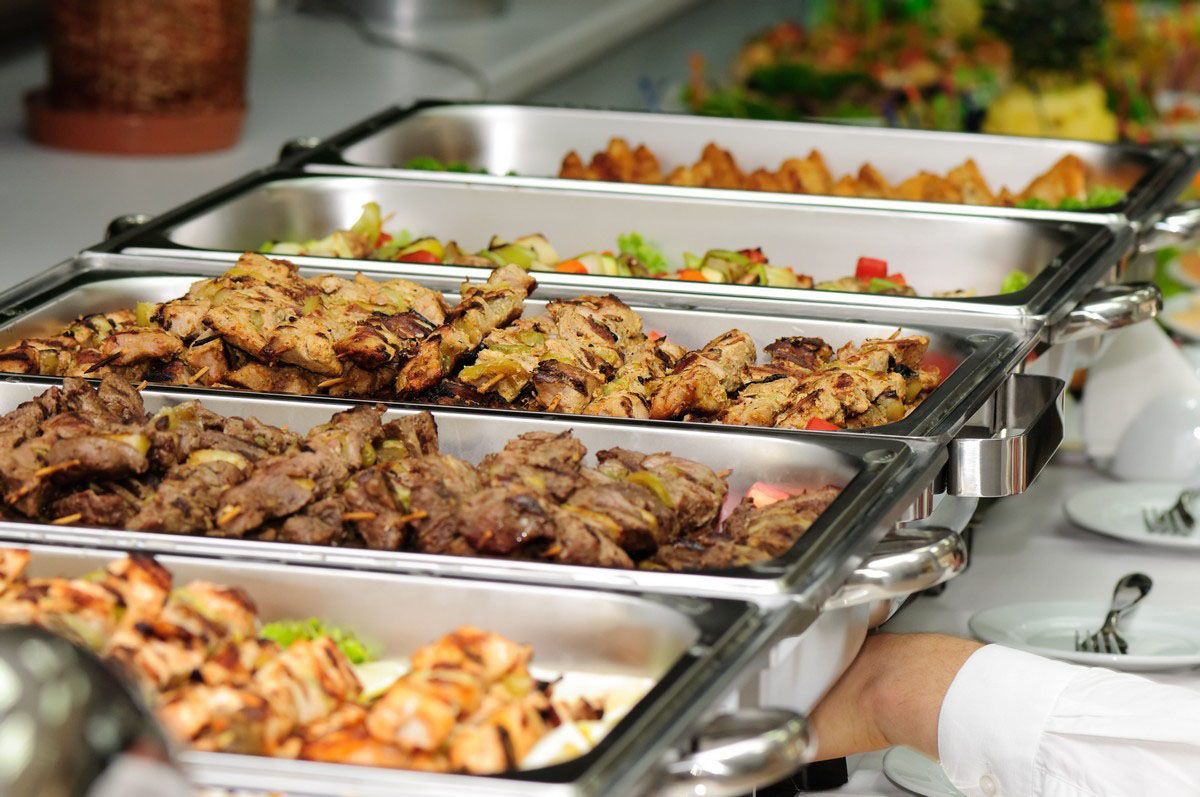
Shared plate dining naturally creates a delightful mix of diverse ingredients, textures, and cooking techniques, which can make beverage selection feel slightly complex. Selecting a versatile, flexible bottle prevents conflicting flavors while satisfying various personal tastes across the entire table. According to Ramsey Solutions, around 52% of people say they prefer to dine out because they want to socialize, making shared plates a favorite style for group dining. A well-rounded option ensures that every guest enjoys a harmonious match regardless of which dish they reach for next, keeping the focus entirely on good company and great food.
Embracing High-Acid Whites for Rich Appetizers
Crisp white varieties featuring bright acidity act as exceptional palate cleansers when paired with rich, decadent appetizers. When ordering fried items, creamy cheeses, or buttery seafood starters at your favorite restaurant, a refreshing white bottle cuts through the richness effortlessly. Options like Sauvignon Blanc, Pinot Grigio, or unoaked Chardonnay elevate the food without overwhelming subtle flavors. The lively acidity keeps your mouth feeling fresh and ready for the next round of delicious bites, ensuring each taste feels just as exciting as the first.
Selecting Versatile Rosé for Mixed Tables
Rosé serves as a brilliant bridge between light white options and heavy red bottles, making it an ideal candidate for shared dining. Its vibrant acidity easily handles light seafood and salads, while its subtle fruit character matches exceptionally well with cured meats and grilled poultry. Ordering a bottle of chilled rosé at a local restaurant provides an effortless, crowd-pleasing option for tablemates who enjoy contrasting menu items. Its inherent flexibility takes the guesswork out of ordering for a large group, allowing everyone to relax and enjoy the spread.
Pairing Medium-Bodied Reds with Savory Bites
When your table transitions toward heartier fare like roasted vegetables, pork sliders, or seared duck, medium-bodied red varieties shine brightest. Options such as Pinot Noir, Grenache, or Barbera feature soft tannins and bright fruit characteristics that complement savory profiles without overpowering them. Requesting a bottle of Pinot Noir at a cozy restaurant creates an inviting atmosphere while highlighting the complex flavors of savory small plates. These versatile reds maintain balance across a broad spectrum of rich ingredients, making them an essential choice for mixed courses.
Handling Spicy and Boldly Seasoned Dishes
Spicy small plates seasoned with chili peppers, hot glazes, or pungent spices require careful consideration when choosing what to drink. High alcohol levels and heavy tannins amplify heat on the tongue, creating an uncomfortably sharp sensation that can detract from the food. Selecting a low-alcohol bottle with subtle residual sweetness, such as Riesling or Off-Dry Gewürztraminer, tempers spicy notes effectively. Enjoying these refreshing selections at a downtown restaurant helps soothe the palate while allowing complex spice blends to shine through without excessive burn. A hint of fruitiness in the glass acts as a natural counterweight to bold seasonings, balancing every bite.
Balancing Rich Meats with Structured Red Varieties
Heavy meat dishes like braised short ribs, charcuterie boards, and seared beef skewers benefit immensely from structured, full-bodied red options. Higher tannin levels found in Cabernet Sauvignon, Syrah, or Malbec bind with proteins and fats, softening the mouthfeel of both the food and the drink. Ordering a robust red bottle at an upscale restaurant transforms a heavy meat dish into a balanced, luxurious culinary experience. The bold tannins clean the palate after every bite, ensuring that each morsel tastes just as vibrant and satisfying as the first.
Complementing Vegetable-Forward and Earthy Creations
Earthy vegetable offerings featuring mushrooms, roasted roots, or fresh garden herbs align beautifully with savory, herb-forward beverage choices. Varieties like Cabernet Franc, Syrah, or dry sparkling bottles reflect earthy undertones found in plant-based small plates. Enjoying vegetable-centric starters alongside a vibrant bottle at a modern restaurant highlights the fresh ingredients sourced by skilled culinary teams. These pairings highlight subtle botanical notes and delicate flavors that might otherwise go unnoticed during a busy meal with friends.
Enhancing the Meal with Sparkling Options
Sparkling selections provide remarkable versatility across almost any shared plate spread, making them a fantastic choice from start to finish. The lively effervescence and bright acidity scrub the tongue clean after rich, salty, or fried offerings. Requesting a bottle of Prosecco, Cava, or traditional Champagne at a lively restaurant creates an immediate sense of celebration while effortlessly complementing a huge array of flavors. The persistent bubbles revive your taste buds, preparing you for every new course that arrives at the table throughout the evening. Their crisp finish ensures that even delicate dishes shine without being overshadowed by bolder flavor profiles.
Finishing the Night with Dessert and Sweet Pairings
Ending a shared dining experience with a sweet treat calls for a final drink choice that matches or exceeds the sweetness of the dessert. Pairing a bone-dry bottle with rich chocolate or fruit tarts can make the drink taste harsh and sour by comparison. Choosing a rich Port, Moscato, or late-harvest Riesling at a neighborhood restaurant completes the dining experience on a high note. The lingering sweetness creates a seamless transition from savory courses into a memorable final sweet bite, ending your gathering perfectly.
Exploring beverage pairings with shared plates turns every social outing into an engaging culinary adventure filled with discovery. By keeping basic principles of balance, acidity, and weight in mind, selecting enjoyable combinations becomes second nature for any casual diner. Remember that personal preference always reigns supreme, so feel free to experiment with new variety styles and flavor combinations alongside your favorite companions. Sharing multiple small plates encourages curiosity, active conversation, and memorable moments around the table. Next time you plan an evening out, stop by RoCA to explore a delightful menu of shared plates and complementary selections designed to make your night truly exceptional.