August 31, 2026
Exploring the benefits and processes of booking catering services from a local restaurant can elevate any private or corporate event. Beyond everyday dining, partnering with an established neighborhood eatery allows you to serve memorable, high-quality meals while supporting surrounding small businesses. This guide walks you through the essential steps of selecting, planning, and executing a seamless catering experience from start to finish.
r
Understand Your Event Catering Needs
The scope and nature of your event heavily influence your overall catering decisions. Whether you are hosting a corporate seminar, an elegant wedding reception, or a casual backyard gathering, each occasion requires distinct logistical considerations and menu planning strategies. Corporate events typically focus on efficiency, dietary clarity, and professional presentation, whereas weddings might emphasize personalized dining courses and formal aesthetic presentation. Meanwhile, casual family reunions allow for a relaxed, eclectic mix of self-serve food stations.
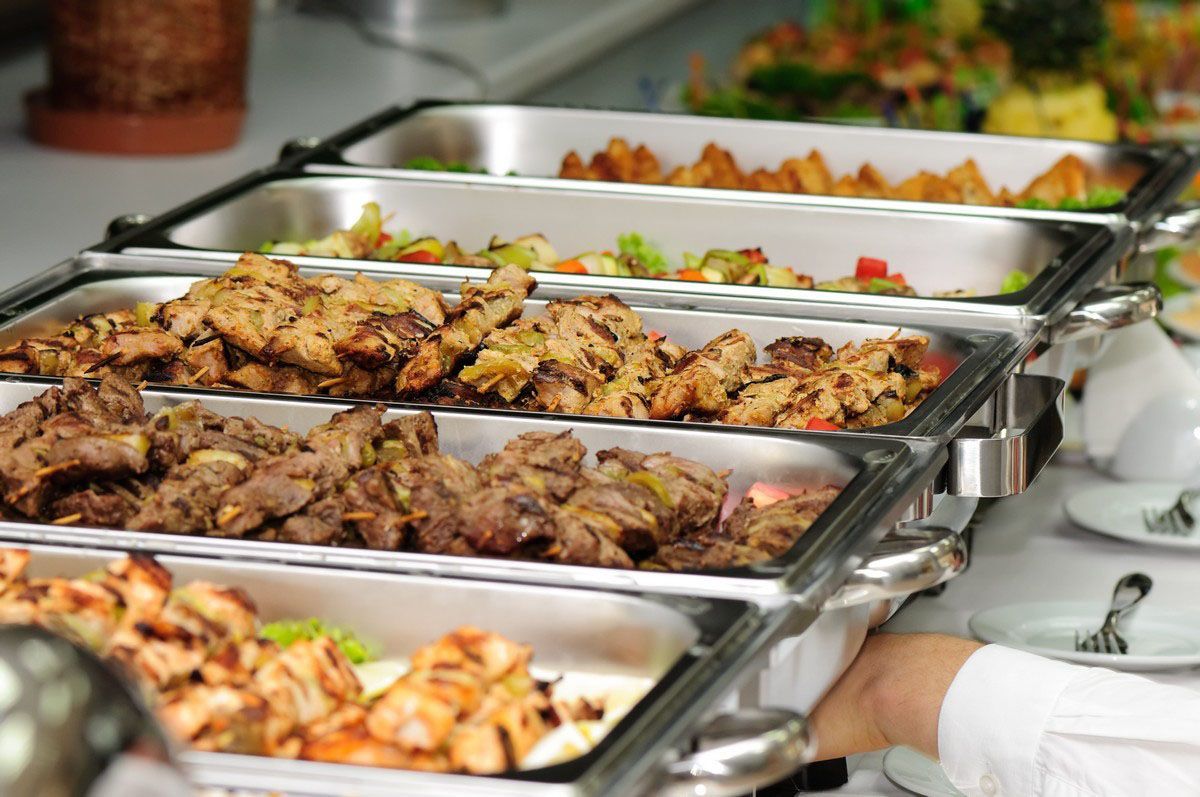
Understanding these specific nuances is vital when determining how food should be presented and served at your venue. For example, seated dinners require dedicated waitstaff and a structured kitchen timeline, while buffet-style setups offer flexibility and a wider range of dishes for diverse palates. Knowing your event format also aids in predicting the total volume of food needed, optimizing equipment rentals, and arranging venue floor plans. Successful event catering always starts with defining what the occasion demands. Clear definitions simplify later decisions, such as menu selection and service style.
Each event type is also tied to particular guest expectations. As organizers become more attuned to their event's primary goals, they can tailor their food selections more effectively. High-profile fundraising galas might demand high-end cuisine paired with fine wines, while community sports gatherings prioritize satisfying, accessible food options. Understanding this connection ensures that the catering not only meets practical basic needs but also enhances the overall guest experience. Crafting a fitting culinary experience starts by identifying the event's essence and aligning every menu decision directly with it.
Guest Count and Seating Arrangements
Accurately estimating your guest count is one of the foundational aspects of successful event planning. A precise headcount allows the local restaurant to prepare and provide an adequate amount of food without generating excessive waste or running short on popular dishes. It also plays a key role in determining required staffing levels and specialized equipment needs, such as warming chafers, serving utensils, and dining tables.
Seating arrangements can be just as crucial as the menu itself in setting the tone for your event. For formal gatherings, structured seating plans facilitate streamlined table service and enhance the event's overall formality. In contrast, casual seating or standing cocktail arrangements create a relaxed atmosphere that encourages open networking and socializing among attendees. Moreover, understanding the seating arrangement helps identify suitable service styles, such as individual plated service, shared family-style platters, or interactive buffet stations.
Strategic seating arrangements also enhance guest comfort and overall satisfaction throughout the function. Knowing how to effectively arrange seating provides opportunities to accommodate specific guest requests, such as placing attendees with physical mobility issues closer to food stations. Efficient floor designs optimize space, allowing ample room for waitstaff movement and the seamless flow of food delivery. Furthermore, considering the guest count alongside seating plans helps predict and mitigate physical traffic congestion. Thoughtful coordination of guest count and seating arrangements significantly enhances the operational fluidity of the entire event.
Menu Customization
Menu customization is where creativity and personalization come into play, allowing you to tailor culinary offerings to reflect your event's theme. A culinary team at a local restaurant often builds menus around fresh seasonal ingredients, which directly enhances the flavor, quality, and visual appeal of every dish. Collaborating with the head chef or catering director during early planning stages allows for recipe adjustments that align with your vision, including signature sauces or family recipes.
Another essential aspect of menu customization is addressing varied cultural and lifestyle considerations. As gatherings grow more diverse, integrating a wide range of global flavors and accommodating specialized preferences enhances guest satisfaction. Broadening the menu inclusively demonstrates thoughtfulness while ensuring every attendee enjoys a complete, satisfying meal without logistical barriers. Customization offers a unique opportunity to profile the distinctiveness of your gathering through memorable flavors.
Dietary Restrictions and Preferences
Today's event hosts increasingly prioritize accommodations for specific dietary restrictions, whether stemming from severe food allergies, medical requirements, or lifestyle choices. Catering providers must navigate these preferences with absolute precision to ensure all guests enjoy a safe, delicious meal. Proactively collecting detailed dietary information through the RSVP process allows for thorough advance planning. Communicating clearly with kitchen staff prevents cross-contamination and ensures appropriate meal labeling during service.
Customization is not merely about addressing restrictions; it is also about celebrating food preferences to elevate the gathering. For instance, hosting an anniversary dinner featuring dishes from the couple's favorite trip adds a remarkable personal touch. According to ezCater, 56% of workplace food orderers plan to increase their catering spending in 2026. This trend underscores how thoroughly understanding customer preferences, including strict dietary accommodations, translates into higher satisfaction and sustained corporate demand. Conscientious menu planning that accommodates all dietary needs allows catering partners to build long-term trust and positive word-of-mouth recommendations.
Budget Considerations
Budgeting is often one of the most challenging aspects of event execution, requiring careful balance between financial limits and guest expectations. Early financial planning establishes clear parameters that guide subsequent menu choices and vendor negotiations. A predetermined budget provides clarity for both the host and the local restaurant, ensuring complete alignment regarding financial boundaries before signing formal contracts. This groundwork enables productive discussions regarding menu scope, service staff numbers, and ancillary costs like delivery fees or tableware rentals.
Evaluating a catering budget is not just about cutting costs; it is about allocating funds strategically for maximum impact. Prioritizing premium entrees or dedicated floor staff directly improves the guest experience. For instance, high-profile galas might allocate extra funds toward plated multi-course meals, whereas casual afternoon mixers achieve success with cost-effective, heavy hors d'oeuvres. Understanding your event goals ensures sensible resource distribution without compromising quality.
Remaining adaptable to unforeseen expenses is equally vital, making it wise to reserve a modest contingency margin within your initial budget. Adjusting menu selections with the restaurant manager as guest counts shift helps manage financial expectations continuously. Transparent communication enables hosts and caterers to discover flexible, creative solutions that fit budgetary constraints cleanly. Thoughtful financial planning ultimately secures high event satisfaction and seamless operational success.
Local Restaurant Options
Researching local restaurant options begins with compiling a shortlist of potential vendors based on personal dining experiences, peer recommendations, and community reputation. Start by evaluating your favorite neighborhood dining spots to determine if they possess dedicated catering departments capable of handling off-site events. Gathering input from colleagues or event planners expands your options and provides real-world accounts of vendor reliability. A well-curated shortlist creates a clear focus for subsequent inquiries and consultations.
For each prospect on your shortlist, review criteria such as culinary style, pricing tiers, minimum order quantities, and maximum capacity limits. A local restaurant with extensive experience hosting similar event formats will handle unexpected challenges with ease. Identifying specialized skill sets, such as authentic wood-fired barbecue or plant-based dining, ensures seamless alignment with your gathering's specific theme. Strategic evaluation simplifies vendor comparison, bringing you closer to selecting the ideal partner.
Booking catering from a trusted local restaurant guarantees exceptional food quality, personalized service, and a memorable experience for your attendees. By carefully evaluating your event needs, setting a realistic budget, and establishing clear communication, you ensure seamless planning from start to finish. When you are ready to plan your next gathering, contact RoCA to craft a customized menu that brings restaurant-quality dining directly to your event.